
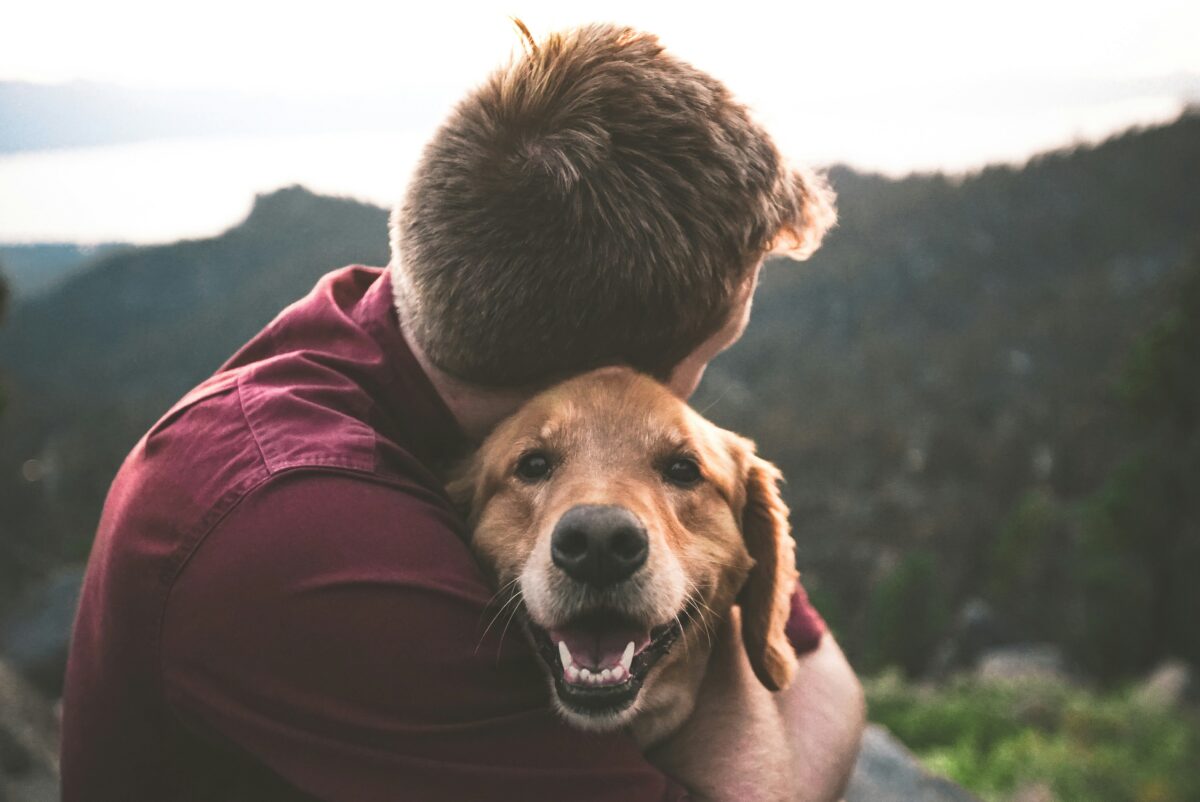
Trust is quiet. It does not scream at the top of its voice. It manifests in little details, little gestures, and simple decisions that your pet makes and does it when no one is paying attention.
As a loving pet I am educating other pet loving people and this never ceases to amaze me. It is a question that people usually pose, How can I know I trust my pet? And I am always smiling, since the signs are appearance. They’re just not dramatic. They’re behavioral. Scientific. Deeply emotional.
Ok so let’s discuss it appropriately. Not in some ambiguous sentimental depictions, but in clear explanations, in real facts, in a couple of moments of sincere thought. Ready?
What Being a Trust Means as an Animal.
Prior to enumerating signs we must be clear. To animals, trust does not mean affection. Trust means safety. Predictability. Assurance that the needs will be fulfilled without jeopardy.
In nature, distrust makes animals stay alive. Wrong opinion is dangerous. Such instinct does not fade away in a home environment. It adapts.
When your pet trusts you therefore he is biologically deciding: This human is safe. This human is consistent. This human understands me.”
That’s not small. That’s enormous.
- They Snuggle their bodies around you.
A posture is also one of the most evident expressions of trust. The body language to a lazy plutonium is an eloquent story.
Dogs which have faith in you always lie on their backs or sides close to you. The cats are in full position, and the belly is not strained. Birds fluff feathers calmly. Even a minor creature such as rabbits will lie on its back and not be on alert.
This is important since the defense preparedness is removed by presenting vulnerable sections of the body. It signals comfort.
Raise the question: Do my beautiful pet feel strained that I am near, or is he really comfortable?
The body never lies.
- Gazing Without Fear.
When animals look at each other for a long period, it is a danger. Trust changes that rule.
When a dog gazes at you with softness and does not strain his or her eyes then the dog is expressing emotional attachment. Actually, research has demonstrated that such mutual eye contact between dogs and human beings raises oxytocin in both parties and enhances relations.
There are slow blink cat actions when cats trust people. That winking is also a social sign that implies comfort and not superiority.
When your pet is looking at you with soft and calm eyes, you already have trust.
- They follow You Without Fear.
An adorable pet tends to select intimacy. Not clinginess. Choice.
Dogs are not impressed to rush and run with you room to room but they are interested and comfortable. Cats can rearrange on their own to be close to you and you do not even notice.
Confidence in your presence and not being afraid of being lost makes you act this way.
Another useful question here is the following: Does my pet follow me in a calm manner or in a desperate way?
The difference matters.
- They Sleep So Close to You and So Deeply Round You.
Sleep shows vulnerability. During sleep, defenses drop. Awareness decreases. That’s risky for animals.
Domestic animals that have faith in you rest soundly in your company. They might sleep at your feet, in your bed or even in the same room. Others also twitch or dream, which is an indication of the REM sleep.
An animal that will actually rest when you are around assumes that you will defend it in case the need arises.
It is faith in its purest sense.
- They Allow Gentle Handling
Trust manifests itself in touching.
A pet that trusts one can be groomed, held with a lot of gentleness, have its paws handled, ears cleaned or nails trimmed without much resistance. Not out of love of the activity, but of trust to your motive.
Veterinary behaviorists observe a great deal of positive human relationship correlates with tolerance during handling.
This is one thing to consider, is my pet freezing, fighting, or relaxing when I touch sensitive places?
Confidence is demonstrated by relaxation.
- They Seek You Out for Comfort
Animals need to get somewhere safe when they are scared or stressed or they do not know. When your pet runs to you when there is some loud noise, unknown circumstances, or when there is a sickness, it is not an accident.
That’s trust-driven behavior.
Dogs may lean against you. Cats do not keep off, but come close to you. Birds can come or land nearer than ordinarily.
Your being is the touch of consolation. That’s earned.
- They Honor Borders but Repatriate.
Trust is not an ever-present attention. Indeed, pets that are sure of their safety tend to go away, only to come back later.
This demonstrates freedom and safety. They are aware that they can walk away and come back without apprehension.
Anxious pets cling. Trusting pets choose.
Liberation and confidence develop with each other.
- They Provoke their Real Personality.
Animals conceal some of themselves when confused. Personality is revealed to come up in the course of time through trust.
Playfulness increases. Speeches are expressive. Quirky habits appear. Preferences become clear.
An architecture pet that was withdrawn at once might begin playing. An animal silent can talk. Suspicious animals can venture forth.
Authenticity has space created through trust.
- They Respond to Your Voice
The pet is a trusting animal and he understands not only what is said, but what is said. Nervous systems are governed by down-to-earth tones.
Even without seeing each other, dogs react to people who they know. Cats identify the voice of owners perfectly well. Studies confirm this.
In case your pet calms down when speaking, even in the stressful situations, there is some kind of trust at the neurological level.
That relationship is not acquired, but learned.
- They Take your Leadership and Direction.
Trust affects learning. Pets that have your trust to them react more to signals, corrections and redirection.
They may pause when you speak. They can be convinced to abandon undesired behavior in a composed manner. This is not obedience, it is affection and cooperation.
Pets obey the leaders, not those who are threatening.
Question to yourself: Does my pet listen to me because he/ she is scared, or because s/he trusts me?
The answer matters deeply.
- They demonstrate Minor Affection.
Not all pets cuddle. Some express trust quietly.
You may find one of your legs seated on a dog. Cats may head-butt gently. Birds may preen near you. Little animals will have an opportunity to groom themselves as you sit in the same place.
Neither attention-seeking nor care-seeking: these behaviors demonstrate emotional safety.
Trust doesn’t need noise.
- They bounce back fast after making mistakes.
Even relationships of trust are exposed to stress. Walking over unexpectedly, startling behavior, strangers.
A literary dog that has faith in you heals sooner. They will make a jump and come back earlier. They don’t withdraw long-term.
That fortitude reflects emotional stability which has been developed.
What Leads to Trust, Reliably.
Trust grows through:
- Predictable routines
- Calm communication
- Respecting boundaries
- Meeting the physical and emotional needs.
- The elimination of punishment-based approaches.
Inconsistency, fear and misunderstanding, erode trust.
This is a thought-provoking question, which is worth asking myself: Do I react to my pet, or respond with insight?
Everything is infused by that difference.
When Trust Takes Longer
Some pets arrive with trauma. Abuse histories. Neglect. Genetic anxiety. Trust can be achieved in months or years.That does not mean failure. It means patience. Progress may look small. However, minor adjustments are huge. Never rush trust. You cannot force safety.
Some Last Few Words to This Pet Lover.
Trust is not flashy. It doesn’t demand applause. Its manifestation is when your pet is not scared but rather relaxed. Sleep over vigilance. Connection over avoidance.
In case you are wondering whether your pet likes you or not, the answer can be found in most cases in mundane moments.
There is one last question to take away here What am I doing today that will make my pet feel safer tomorrow?
Because trust isn’t claimed.
It’s built.